
Daily Alkaline Water Use

Beginner Water Ionizer Guide

Beginner’s Guide to Water Ionizers

After reading this guide, you’ll be able to choose the best water ionizer for your needs and start enjoying better hydration at home.

What You’ll Learn Here

This guide is made for first-time buyers who want straightforward answers. You’ll find out what a water ionizer does, how alkaline water is different from acidic and purified water, which pH range is best for daily drinking, and what to expect with maintenance and long-term use.
 
There’s also a research section that sticks to the facts. This page will help you look at water ionizers as a kitchen system focused on taste, convenience, and daily use, not as a quick fix for health claims that sound too good to be true.

What Is a Water Ionizer?

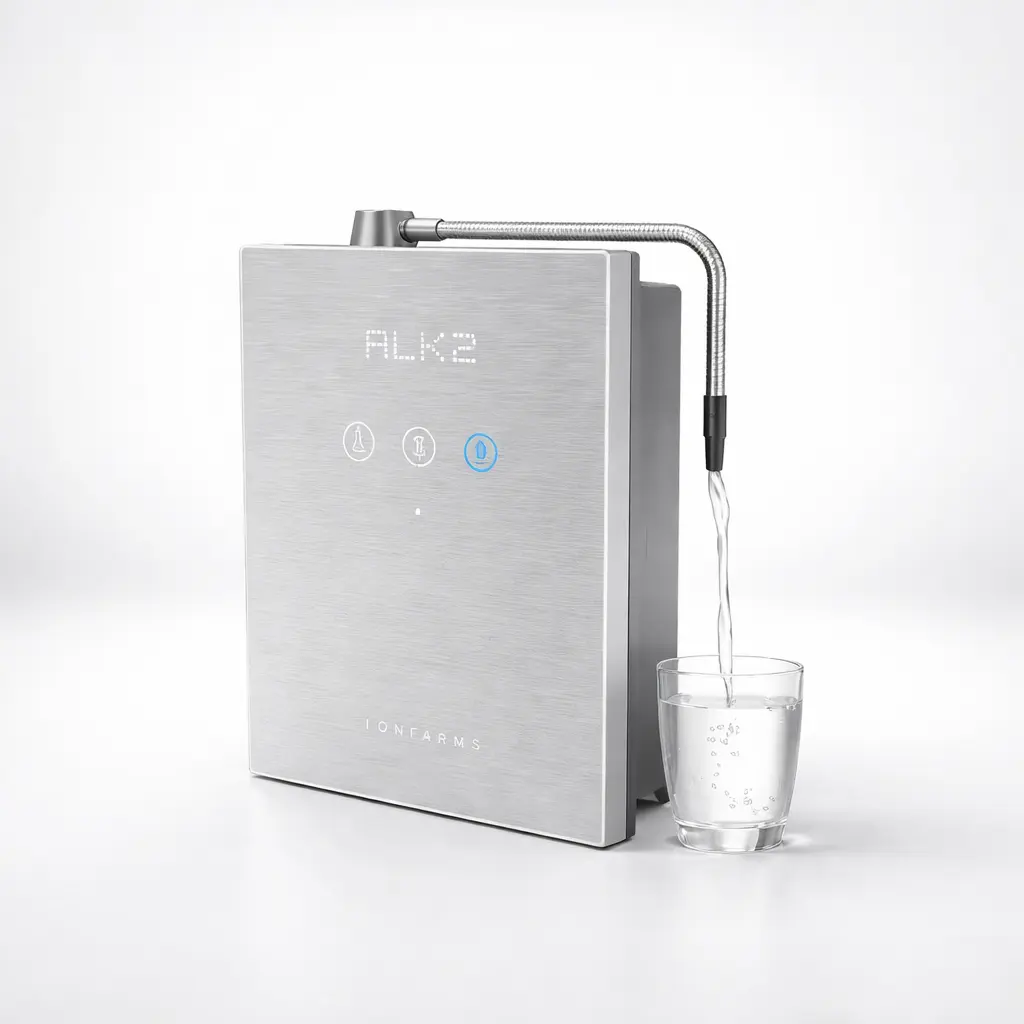
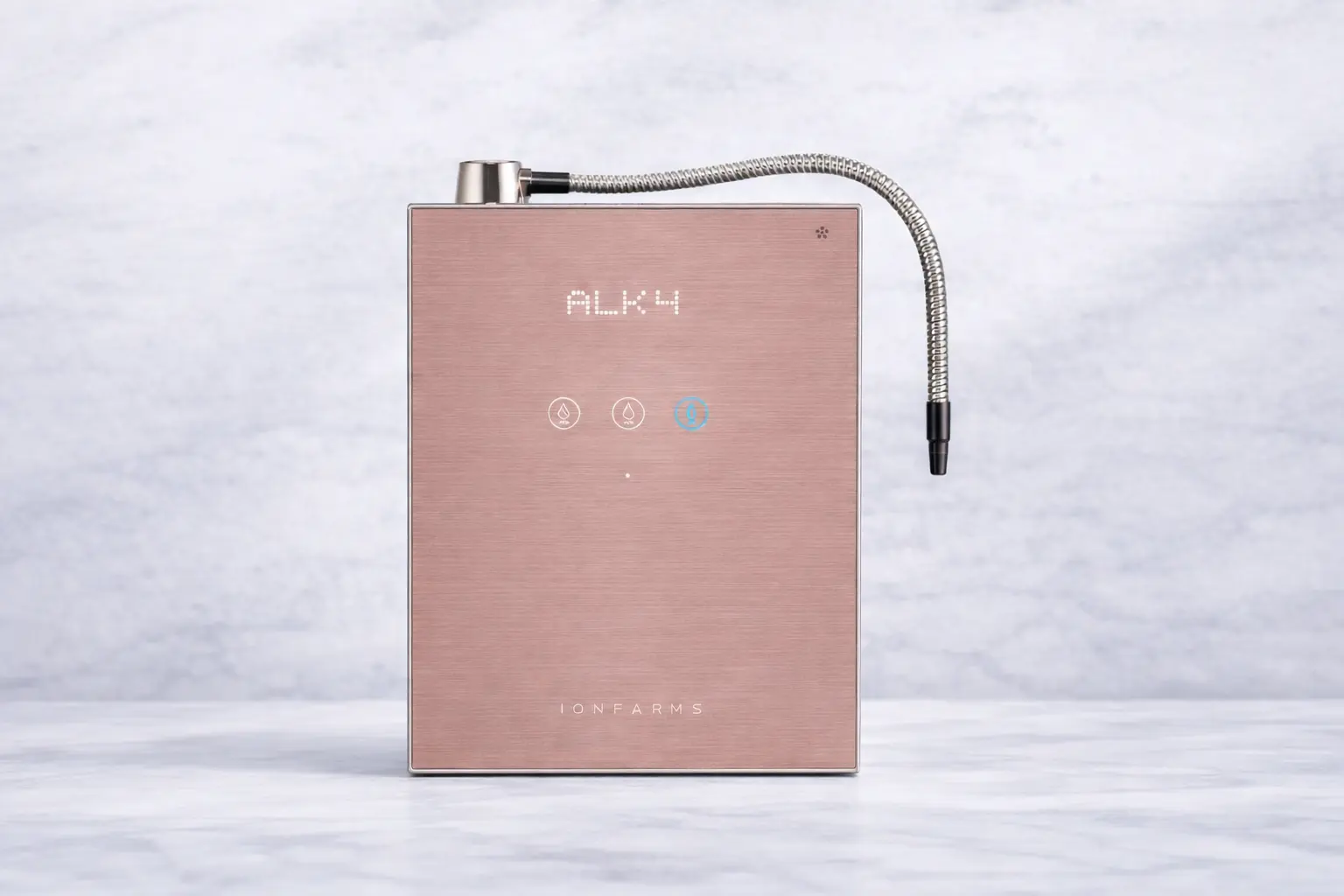
A water ionizer is a home system that filters tap water and lets you choose different water types for different uses. Most people use it to get alkaline water for drinking, mildly acidic water for cleaning, and purified water for general use.
 
If you’re new to water ionizers, remember that it’s not just about pH. It’s also about filtration, convenience, daily hydration, and having several water options from one system.

In Simple Terms

  • Filters tap water before use.
  • Offers multiple water types from one unit
  • Supports drinking, cooking, and select non-drinking tasks
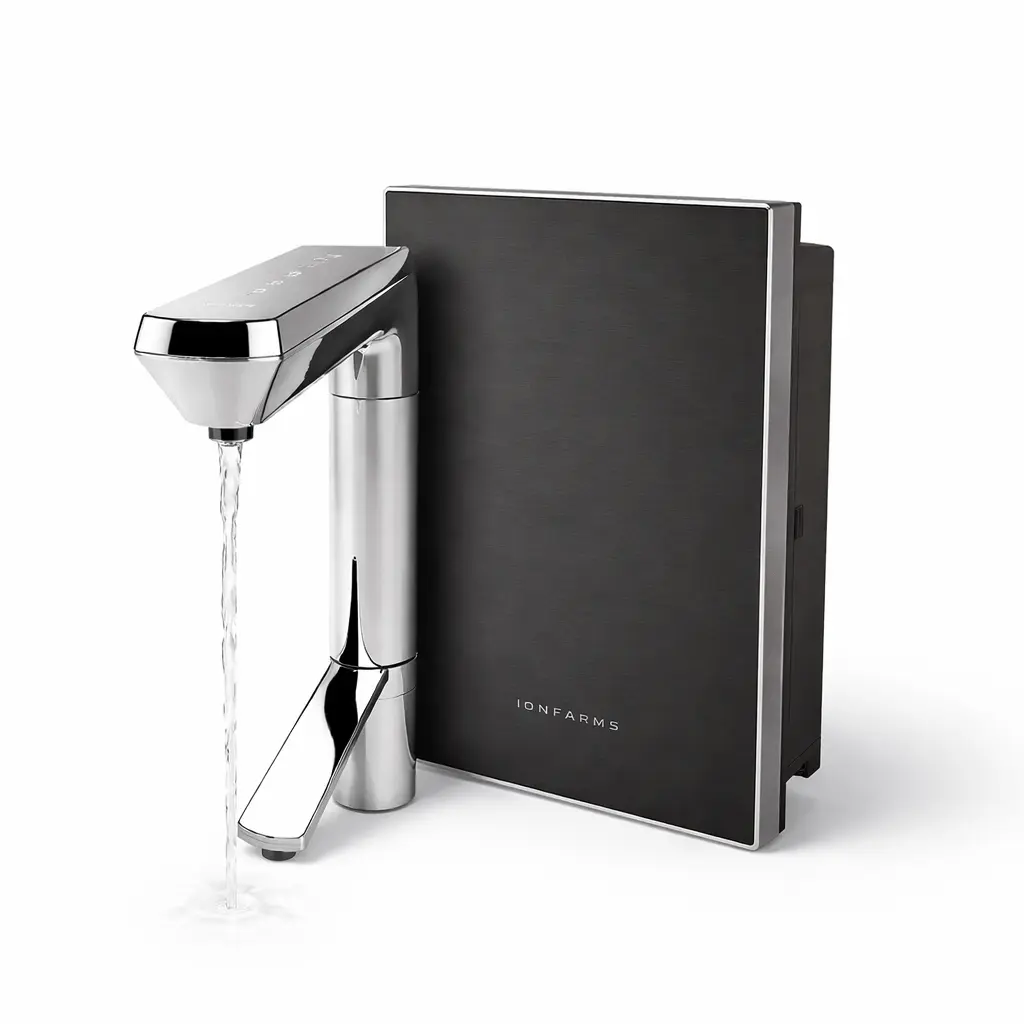
  • Can fit either countertop or under-sink installation plans
How a Water Ionizer Works

Before water reaches the electrolysis stage, it passes through a filter that removes impurities and improves taste. This is one reason filtration quality matters as much as pH settings.
The unit then uses electrolysis to separate water into different output ranges. This is how water ionizers produce alkaline, acidic, or purified output, depending on the selected mode and the machine's design.
The result is practical flexibility: one system can support everyday drinking water, neutral water for sensitive uses, and non-drinking water for parts of the home.

Why People Buy a Water Ionizer

Better-Tasting Water Can Make Hydration Easier

Many first-time owners describe the biggest benefit in simple terms: they enjoy drinking the water more. When water tastes smoother and fresher, it becomes easier to maintain a steady hydration routine throughout the day.

It Fits Daily Kitchen Habits

A water ionizer often becomes part of a routine rather than a novelty appliance. People use it for morning water, tea, and coffee preparation, soup and rice cooking, and general daily use without needing multiple devices.

One System, Multiple Water Types

Instead of thinking about it as a one-purpose device, it helps to see a water ionizer as a multi-use kitchen system. That versatility is often part of its long-term value.

A More Realistic Buying Mindset

A helpful way to evaluate a water ionizer is to view it as a filtration and convenience upgrade. Taste, routine, usability, and maintenance are stronger buying criteria than exaggerated promises of instant body change.

Understanding the 3 Types of Ionized Water

A woman enjoying a refreshing glass of water indoors during the day.

Alkaline Water

pH 8.5–9.5

Drinking water, tea, coffee, cooking, routine hydration

Acidic Water

Varies by model and setting

External household use, produce rinsing, select cleaning tasks, beauty-water style rinse depending on product directions

baby, girl, portrait, child, daughter, childhood, baby, baby, baby, baby, baby, girl, girl, child, child, child

Purified Water

Neutral range

Baby formula, medicine or supplements, neutral-taste cooking, sensitive-use situations.

pH Levels and Everyday Uses

pH Levels and Everyday Uses

For Everyday Drinking

  • Many users start with a gentler alkaline setting first.
  • Common daily drinking ranges are often around pH 8.5 to 9.5
  • Frequently used for plain drinking water, tea, coffee, soup, and rice.
  • Popular among people who want a smoother-tasting hydration option

pH Levels and Everyday Uses

For External Home Use

  • Commonly discussed for non-drinking household routines.
  • May be used for produce rinsing or general cleaning, depending on model guidance
  • Beauty-water style settings are often used externally only.
  • Not intended for drinking water

Purified Water

For Sensitive Applications

  • Useful when a neutral taste is preferred
  • Often chosen for baby formula.
  • Common for medicine and supplement intake
  • Helpful for cooking, where you do not want pH-related taste changes
Important note: higher numbers do not automatically mean better daily use. pH 10+ strong alkaline water is mainly for industrial/scientific applications rather than drinking, and WHO drinking water guidelines warn against pH 10+ water. We strongly recommend avoiding products from sellers who make claims about drinking water with a pH above 10.

Cost, Installation, and Maintenance

What It Costs to Own a Water Ionizer

* Upfront cost varies by model design, filtration system, and installation type.
* Long-term costs usually come from filter replacements rather than electricity use.
* Before buying, check filter replacement intervals, price, and availability.

What Makes Ownership Easy

* Straightforward filter replacement
* Simple daily operation
* Manageable cleaning requirements
* Good support for hard-water environments

Countertop vs Under-Sink

Countertop models are usually easier to install and easier to reverse, which makes them attractive for renters or first-time buyers.

Under-sink models offer a cleaner built-in look and free up counter space, but they usually need more planning and access for future maintenance.

Hard Water and Descaling

For many buyers, hard water is the real maintenance question. Scale buildup can be the biggest ownership hassle, so it is worth choosing a system designed to make that part easier to manage over time.

If your model includes an auto-cleaning or scale-management feature, that can be a meaningful advantage in day-to-day use.

What the Research Suggests

Learning about the research behind water ionizers can feel overwhelming at first.
If you’re just starting out, it’s best to focus on the basics instead of complex scientific claims.
 
Research on alkaline water, hydrogen-rich water, hydration, and oxidative stress is still developing. Most people, though, just want to know how the water tastes, how easy it is to stay hydrated, and how it fits into their daily routine.
 
Rather than seeing a water ionizer as a medical solution, it’s more practical to view it as a lifestyle and convenience upgrade. It helps you drink water regularly and gives you different water options for daily use.
 
If you want to learn more about the science, trusted research sites like PubMed, ScienceDirect, and SpringerLink have ongoing studies in this field.
biology, research, laboratory, science, medical, lab, scientist, scientific, precision, medicine, experiment, doctor, liquid, petri dish, microbiology, biotechnology, person, people, job, examine, research, research, laboratory, laboratory, science, science, science, science, science, medical, lab, lab, scientist, scientist, experiment, doctor, doctor, petri dish

Is a Water Ionizer Right for You?

A water ionizer might be a good fit if you want:

  • Better-tasting filtered water every day
  • One system for multiple kitchen water uses
  • A premium appliance that becomes part of a routine
  • A choice between countertop and under-sink installation

It might not be the best fit if you expect:

  • Instant miracle outcomes
  • No ongoing filter replacement at all
  • Zero maintenance in a hard-water environment
  • A reason to focus only on the highest possible pH number

Compare Water Ionizer Options

Once you understand the basics, the next step is choosing the installation style and feature set that best fit your kitchen.
Compare countertop and under-sink options, then review filtration, maintenance, and design details side by side.

Frequently Asked Questions

1. What does a water ionizer do?

A water ionizer filters water and then produces different water outputs depending on the selected mode. Many users choose it for alkaline drinking water, purified water, and additional non-drinking water options, depending on the system.

2. What is the difference between alkaline, acidic, and purified water?

Alkaline water is commonly used for everyday drinking and cooking, acidic water is generally reserved for external or household uses as directed, and purified water is often preferred for neutral-taste or sensitive applications.

3. What pH level is best for everyday drinking?

Many beginners prefer to start with a gentler alkaline range and use moderate settings for daily hydration. Comfort, taste, and following the model’s guidance matter more than chasing extreme pH levels.

4. How much does a water ionizer cost to maintain?

Ongoing ownership typically includes replacement filters, occasional cleaning, and minimal electricity use. The most important cost question is usually the filter replacement schedule and availability.

5. Is a countertop or under-sink water ionizer better?

Countertop units are often easier to install and move, while under-sink systems create a cleaner built-in look and save counter space. The better option depends on your kitchen layout and installation preference.

6. Does a water ionizer need descaling?

In hard-water areas, scale management can be an important part of ownership. Some systems include design features that help reduce the maintenance burden, which is worth checking before you buy.