
Hydrogen Water Research, All in One Place
A searchable index of 749 peer-reviewed studies on molecular hydrogen — spanning human trials, animal models, and cell research. Every entry links straight to its original publisher via DOI, so you can verify the science yourself.
Search the Hydrogen Water Research Database
Every entry links directly to its original publisher or DOI — not to a secondary index. Titles, authors, and journal citations are factual reference data; no abstracts are reproduced here. Use the filters below to browse by body system or study type.
How to Use This Hydrogen Water Research Database
The index above collects 749 published papers on molecular hydrogen into a single searchable list. It is a reference tool, not a verdict: it tells you what has been published, where it appeared, and who wrote it, so you can go read the source yourself. Nothing here is a health claim, and no abstracts are reproduced — only factual citation data.
Search accepts a title fragment or an author surname. The topic pills narrow results to a body system or field of interest, and the subject toggle separates work carried out in people from work carried out in animals or cells. Every card ends with a link that resolves to the study's own DOI at the original publisher, so you land on the paper itself rather than on a secondary index.
What the hydrogen water research covers
Publication dates in this collection run from 1888 to 2024. The earliest entries are historical curiosities from a period when hydrogen was studied as an industrial gas rather than something anyone considered drinking. Sustained scientific interest is far more recent: most of the meaningful work clusters after 2007, when a paper in Nature Medicine proposed that molecular hydrogen could act as a selective antioxidant. That single publication is the reason this field exists in its current form, and almost everything in the database after that date traces back to it.
The subject matter spans exercise physiology, metabolic markers, inflammation, neurology, and cell-level oxidative stress mechanisms. Coverage is uneven by design — researchers followed funding and curiosity, not a plan — so some topics carry dozens of papers while others carry two or three.
How to read each study entry
Each card carries badges that let you judge relevance in a second or two, before you commit to opening the paper.
Conducted in people. Roughly 15% of the database. Carries the most direct relevance, and usually the smallest sample sizes.
Conducted in animal models or cultured cells. Useful for mechanism, but findings do not transfer to people automatically.
The body system or field the paper addresses, carried over from the source database's own classification.
Reading Hydrogen Water Research Critically
A database of 749 papers looks authoritative, and that appearance is exactly what deserves scrutiny. Volume is not the same as strength of evidence, and anyone selling hydrogen products — ourselves included — has an obvious interest in you not noticing the difference.
Human trials are the minority
Only about 15% of these studies were run in people. The rest are animal or cell work. That ratio is normal for an emerging field, but it means the honest summary of hydrogen water research is "mechanistically interesting, clinically unsettled." Human trials that do exist tend to be small, short, and run by a limited number of groups. Small studies produce dramatic-looking results far more often than large ones, and those results frequently shrink or vanish when somebody attempts a replication at scale.
Publication bias is visible in the numbers
In the source collection, 96% of entries are classified "Positive" by its own rank field. No genuine research field produces a 96% success rate. What that figure actually measures is which studies got written up and published, not what is true. Null and negative results are chronically under-published across all of science, and a field driven by commercial interest feels that pull harder than most. Read the ratio as a warning label on the collection, not as a score in hydrogen's favour.
What we do not claim
BioNatural sells hydrogen water equipment. We publish this index because we would rather you check the literature than take our word for anything. Our products are intended for hydration and taste. They are not medical devices, and nothing in this database is offered as evidence that they diagnose, treat, cure, or prevent any disease. If you have a health condition, the study list is a starting point for a conversation with your physician — not a substitute for one.
Where to Go From Here
If you came to the hydrogen water research looking for a specific question rather than the whole corpus, these pages narrow the field. Each one deals with a single topic in depth instead of surveying everything at once.
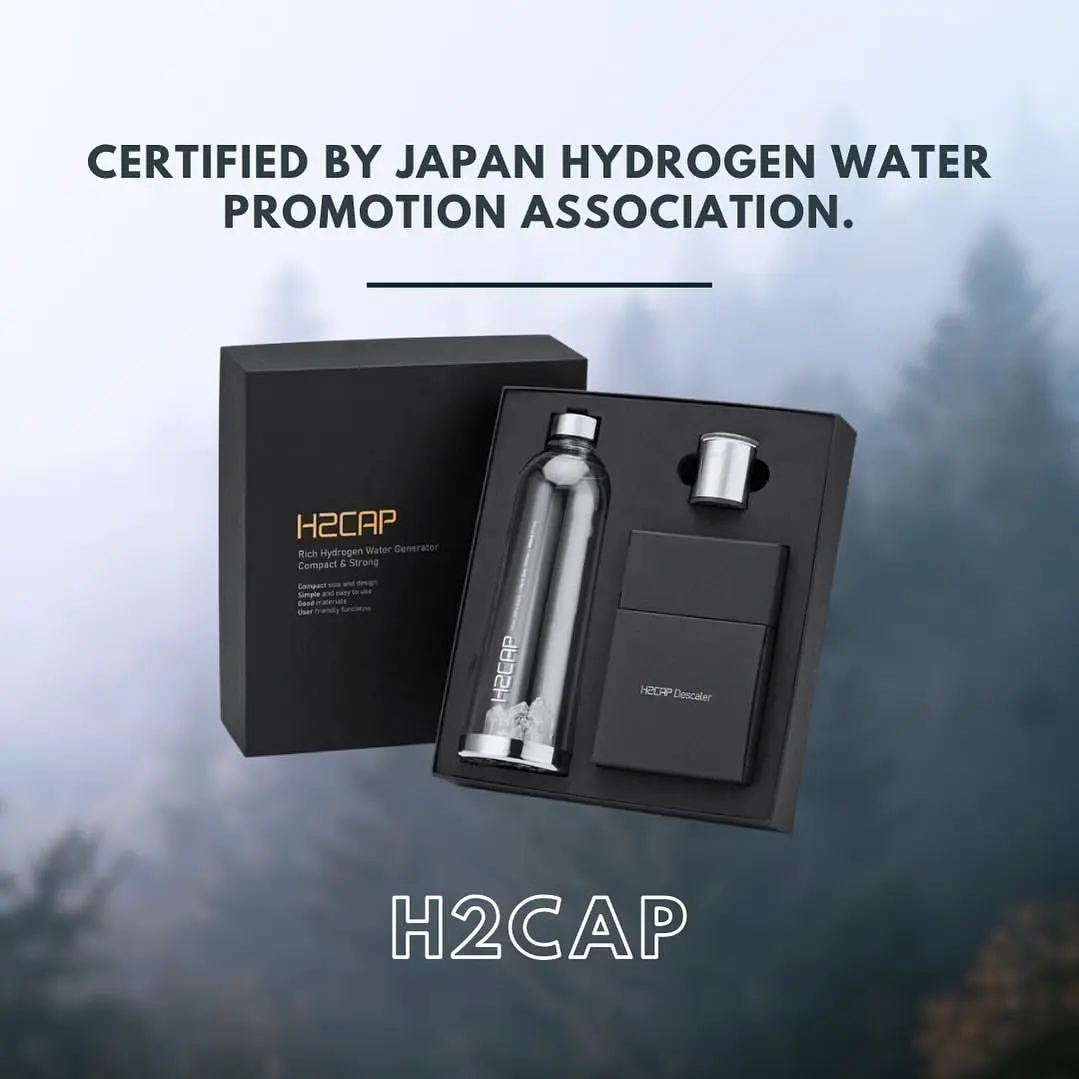
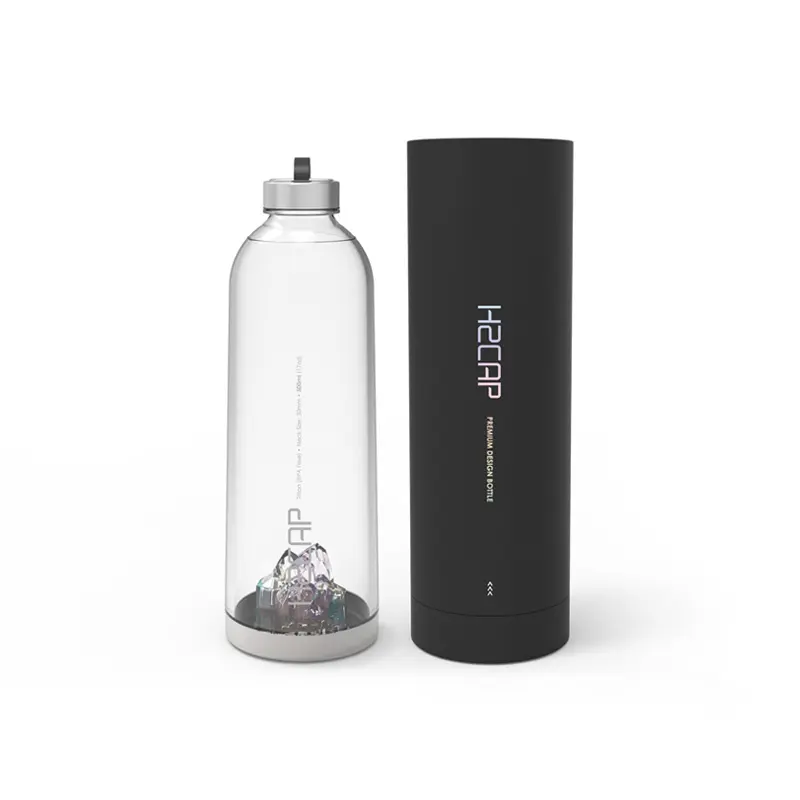
If you want the practical side of this research — what the numbers mean when you actually drink Hydrogen Water — the manufacturer of our H2CAP Plus maintains a plain-language hydrogen water guide that stays strictly within what the studies support, plus a technical page on how dissolved hydrogen is measured, so you can check any concentration claim against a 10-minute protocol of your own.