
How to Use Foot Patches: A Simple Korean Bedtime Ritual, Step by Step
How to use foot patches comes down to five easy steps: wash, dry, apply, sleep and rinse. This guide walks through each one. It also opens the box on the eight natural ingredients inside Chi Foot Patches. And it traces the formula to a 400-year-old Korean medical classic.
US clocks fell back one hour on Sunday, November 1, 2026, as daylight saving time ended (CBS News). Darker evenings arrive earlier, and many people reset their sleep habits this week. The CDC's first sleep tip is simple. Keep the same bedtime and wake time every day (CDC). A small, repeatable ritual makes that easier to stick to.
- Foot patches go on clean, dry soles at bedtime and stay on for 6 to 8 hours.
- Chi Foot Patches blend eight natural ingredients, including bamboo vinegar, wood vinegar, eucalyptus and Houttuynia cordata.
- The herbal tradition behind them traces to Dong-Ui-Bo-Gam, a Korean medical classic from 1613 on UNESCO's Memory of the World register.
- The real value for most people is the ritual itself: a calm, consistent end to the day.
- They are for external use only. Skip broken or irritated skin, and ask your doctor first if you have a medical condition.
How to use foot patches: the short answer
Wash and dry your feet before bed. Peel the backing from the adhesive sheet. Place one patch on the center of each sole. Put on light socks if you like, then go to sleep.
In the morning, peel the patches off and rinse your feet. Most people repeat this nightly for one to three weeks, then use the patches whenever they want a quiet reset.
That is the whole method. The sections below add small details that make the routine comfortable. They also tell the story behind the patch.
What are Korean foot patches?
A Korean foot patch is a small herbal pouch held on the sole by an adhesive sheet. Inside the pouch sits a fine blend of herbal vinegars, plant extracts, minerals and natural starch. Koreans often call it a "sap sheet."
BioNatural launched its Chi Foot Patch line in 2001. The goal was simple. Take a traditional Korean herbal formula and turn it into something anyone could use at home in under a minute.
Twenty-five years later, the line has sold more than one million boxes. It sits beside the BioWashBall eco laundry ball as one of our two best-selling products. Both started the same year. You can see the full product and its certifications on our Chi Foot Patches page.
How to use foot patches step by step
Here is the routine we print on every box, with a few tips from our customers added in.
Step 1: Wash and dry your feet
Start with clean skin. A quick rinse or warm footbath works well. Pat your soles completely dry, since adhesive sticks best to dry skin.
Step 2: Peel the backing
Remove the protective film from the adhesive sheet just before use. Leave the inner herbal pouch sealed. It is designed to stay closed.
Step 3: Place one patch on each sole
Center the pouch on the arch or the ball of each foot. Press the edges gently so the sheet lies flat. First-timers often start with one patch per foot.
Step 4: Wear it overnight for 6 to 8 hours
Slip on thin cotton socks if you like. They help the patch stay put if you move a lot in your sleep. Then simply go to bed.
Step 5: Peel off and rinse in the morning
Remove both patches when you wake up and throw them away. Rinse your feet with warm water. Any stickiness washes off easily.
What is inside a Chi Foot Patch?
Every Chi Foot Patch uses the same eight natural ingredients. There are no synthetic fragrances or added chemicals. Here is what each one is and why it is in the blend.
| Ingredient | What it is | Its role in the patch |
|---|---|---|
| Bamboo vinegar | A liquid distilled from bamboo as it is heated to make charcoal | The traditional base of Korean sap sheets |
| Wood vinegar | Also called pyroligneous acid, distilled from broadleaf wood; it is even used in food to add a smoky flavor | Long used in East Asian foot-bath and patch preparations |
| Eucalyptus | An aromatic leaf with a fresh, familiar scent | Adds a clean, refreshing note to tired feet |
| Houttuynia cordata | A leafy herb, eosungcho in Korean, rich in volatile oils and flavonoids | A classic herb of East Asian tradition |
| Saururus chinensis | A wetland herb, sambaekcho in Korean | A long-standing partner herb in Korean preparations |
| Tourmaline | A natural mineral | Tested by KOTRIC for far-infrared and anion emission |
| Agaricus mushroom | A mushroom long featured in East Asian preparations | Part of the traditional formula |
| Natural starch | A plant-based powder | Binds the blend and absorbs moisture through the night |
Two of these ingredients have a growing research record of their own. Scientists have catalogued the volatile oils and flavonoids in Houttuynia cordata (Yang et al., 2024). Wood vinegar has been reviewed for its uses in food and farming (Gama et al., 2024). That research looks at the ingredients, not at foot patches, but it shows these are well-studied natural materials.


Where does the foot patch formula come from?
The herbal knowledge behind Chi Foot Patches traces back to Dong-Ui-Bo-Gam. The title means "Principles and Practice of Eastern Medicine." Royal physician Heo Jun compiled it, and it was first published in 1613.
In 2009, UNESCO inscribed Dong-Ui-Bo-Gam on its Memory of the World register (UNESCO). It remains one of the defining classics of traditional medicine across Korea, China and Japan.
Our role was practical. We took herbs valued in that tradition and put them into a clean, modern format. The patches are made under ISO 9001 quality and ISO 14001 environmental management systems, with an EC declaration of conformity for Europe.
How to use foot patches as a bedtime ritual
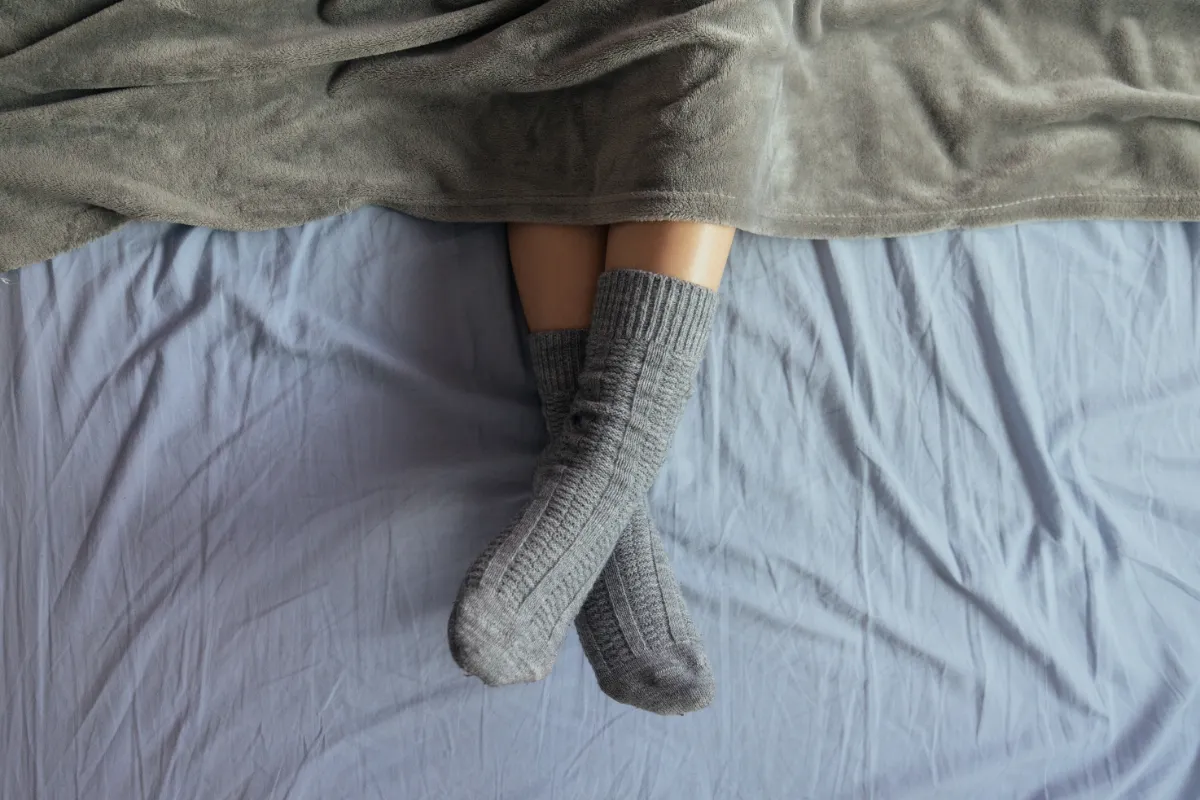
Most customers tell us the same thing. They love the wind-down. Washing your feet, placing the patches and pulling up the blanket becomes a signal that the day is over.
That matches what sleep experts recommend in general. The CDC suggests a consistent bedtime and a calm, cool bedroom. It also advises putting screens away 30 minutes before bed (CDC). A foot patch routine slots neatly into that window.
A 2025 meta-analysis pooled 18 studies of warm footbaths before bed. They included 950 adults aged 60 and older. Footbaths improved how well people felt they slept, compared with no footbath (Chang et al., 2025). That research is about warm footbaths, not foot patches. Still, it supports a simple idea. Caring for your feet at bedtime is a worthwhile habit, and a footbath before your patches pairs well.
Hydration timing helps too. Drink most of your water earlier in the evening so you are not up at night. Our guide on whether milk is more hydrating than water covers smart drink choices for the evening.
How to use foot patches safely: who should skip them?
Foot patches are applied to the skin and nothing is swallowed, so the safety rules are short.
- Use them on the soles only, and never on broken, sunburned or irritated skin.
- Remove the patch and stop if you notice itching, redness or a rash.
- Do not open the inner herbal pouch.
- Keep them out of reach of children.
- If you are pregnant, have diabetes, reduced feeling in your feet or any medical condition, ask your doctor first.
Foot patches are a self-care product. They are not a medical treatment, and they do not replace care from your doctor.
What will you see on the patch in the morning?
Used patches usually look darker and feel a little sticky. That comes from the herbal sap sheet and starch absorbing moisture from your feet overnight. The shade changes from person to person and from night to night.
Many longtime users enjoy that small morning check as part of the ritual. Just peel, toss and rinse. Curious about the color? Read why foot pads turn black.
Using foot patches takes two minutes a day: one at bedtime, one in the morning.
Chi Foot Patches bring a 400-year-old Korean herbal tradition into a calm nightly habit, backed by 25 years of manufacturing in Korea.
How do you build a nightly foot patch routine?
- Pick a bedtime you can keep every night, weekends included.
- Dim the lights and put your phone away 30 minutes before bed.
- Wash your feet or enjoy a short warm footbath, then dry them well.
- Apply one patch to each sole and press the edges flat.
- Add thin cotton socks if you are a restless sleeper.
- Remove, discard and rinse first thing in the morning.
- Repeat nightly for one to three weeks, then use as you like.
Frequently asked questions
How long should you leave foot patches on?
Wear them for 6 to 8 hours, which usually means overnight while you sleep. Remove them when you wake up and rinse your feet with warm water.
Where do you put foot patches?
Place one patch on the center of each sole, on the arch or the ball of the foot. Feet should be clean and fully dry so the adhesive holds.
Can you wear socks over foot patches?
Yes. Thin cotton socks help keep the patches in place if you move a lot in your sleep. Avoid tight or very warm socks if they feel uncomfortable.
How often should you use foot patches?
Most people use them nightly for one to three weeks. After that, many use them a few nights a week or whenever they want a calm reset.
Why do foot patches turn dark overnight?
The herbal sap sheet and natural starch absorb moisture from your feet while you sleep. That changes their color. The shade varies from person to person and from night to night.
What is in Chi Foot Patches?
Eight natural ingredients: bamboo vinegar, wood vinegar, eucalyptus, Houttuynia cordata, Saururus chinensis, tourmaline, Agaricus mushroom and natural starch. There are no synthetic additives.
Where to go next
Eight natural ingredients, a Korean herbal heritage and 25 years of making them in Korea.
See the productMore evidence-based reading on everyday wellness, hydration and nutrition.
Browse guidesRetailers, distributors and private-label partners can request wholesale pricing.
Request pricingCurious about our other 2001 classic? Read about the BioWashBall eco laundry ball, or browse the full 1TheWater blog.
This article is for general information only and is not medical advice. Chi Foot Patches are a self-care product for external use. They are not intended to diagnose, treat, cure or prevent any disease. If you are pregnant, have diabetes, circulation problems or any medical condition, consult your physician before use. Sales figures and test reports are company data.
References
- Centers for Disease Control and Prevention. About Sleep: Tips for Better Sleep. cdc.gov/sleep/about
- CBS News. Daylight saving time ends 2026: when to set clocks back. cbsnews.com
- UNESCO. Donguibogam: Principles and Practice of Eastern Medicine. Memory of the World, inscribed 2009. unesco.org
- Chang SY, Lee YC, Hung HY, Chen CT, Fang CJ, Chen YC. A systematic review and meta-analysis of footbath effects and optimal procedures to improve sleep in older adults. Scandinavian Journal of Caring Sciences. 2025;39(3):e70118. doi:10.1111/scs.70118
- Yang Z, Ji P, Li C, et al. Research progress on the chemical constituents and pharmacological effects of Houttuynia cordata Thunb and a predictive analysis of quality markers. Current Issues in Molecular Biology. 2024;47(1):18. doi:10.3390/cimb47010018
- Gama GSP, Pimenta AS, Feijó FMC, et al. The potential of wood vinegar to replace antimicrobials used in animal husbandry: a review. Animals. 2024;14(3):381. doi:10.3390/ani14030381
- Photos: wirestock on Magnific, tawatchai07 on Magnific and Magnific, free license.